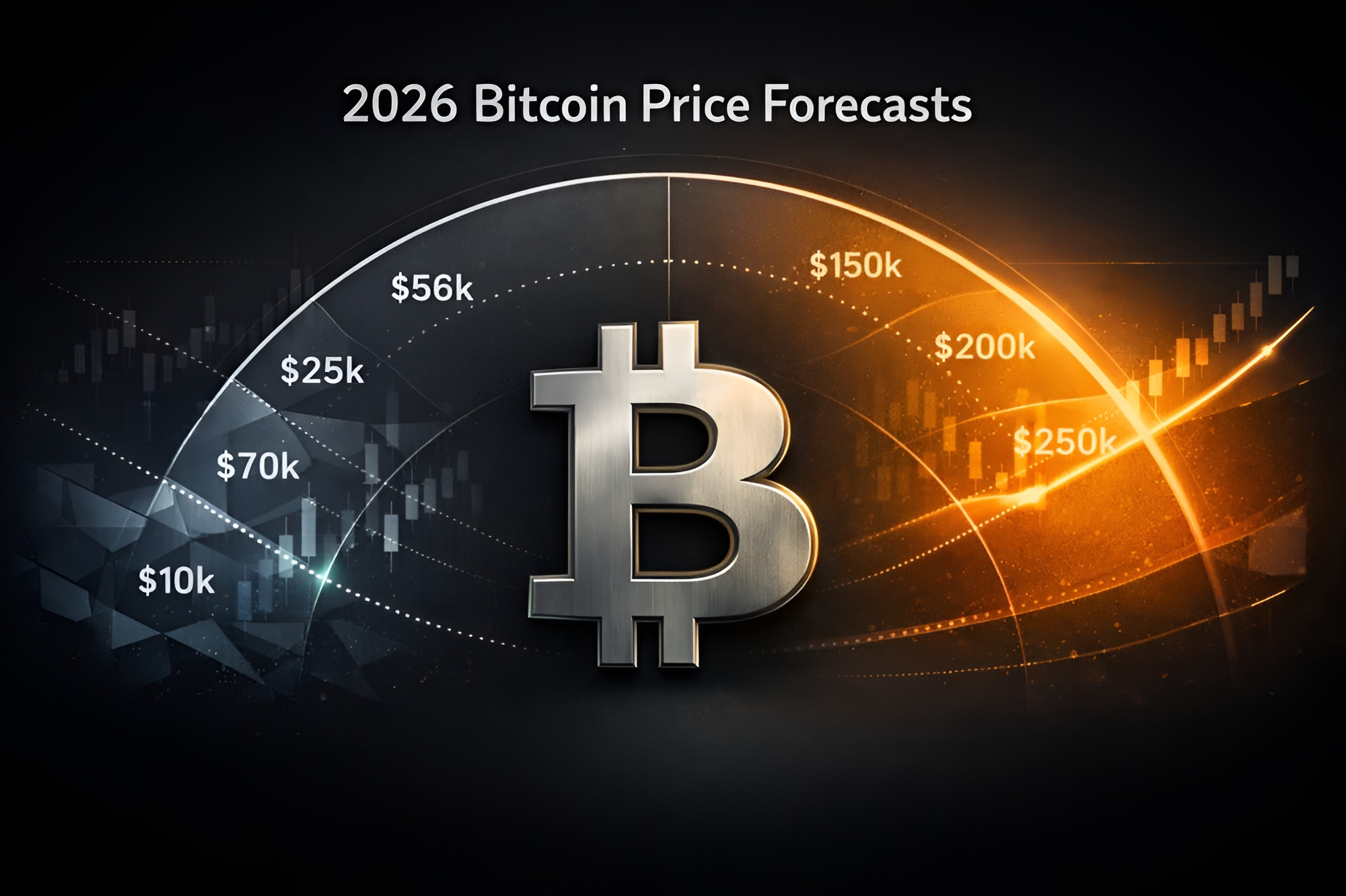
Introduction: Bitcoin at a Crossroads
Bitcoin has been declared dead hundreds of times — yet it continues to survive, evolve, and re-enter global financial conversations. As we move through 2026, the question isn’t whether Bitcoin exists. It’s whether it still makes sense as an investment.
Since its launch in 2009, Bitcoin has transformed from an obscure cryptographic experiment into a trillion-dollar asset class at various points in its history. It has experienced explosive bull markets, severe crashes, regulatory scrutiny, institutional adoption, ETF approvals, halving cycles, and global macroeconomic shifts.
But in 2026, the landscape looks different from the early hype years. Institutional participation has increased. Regulation is clearer in many jurisdictions. Spot Bitcoin ETFs exist in several countries. Retail speculation is more measured. Meanwhile, volatility remains.
So — is Bitcoin still a good investment in 2026?
The answer depends on risk tolerance, time horizon, macroeconomic outlook, and portfolio strategy. Let’s break it down from every angle.
A Quick Refresher: What Makes Bitcoin Unique?
Bitcoin isn’t just “digital money.” It has several characteristics that differentiate it from stocks, bonds, and traditional currencies:
- Fixed supply cap of 21 million coins
- Decentralized network (no central authority controls issuance)
- Transparent blockchain ledger
- Halving mechanism reducing new supply roughly every four years
- Global liquidity and 24/7 trading
- Borderless transferability
Bitcoin’s scarcity is often compared to gold. Its network effect is compared to the early internet. And its volatility is often compared to emerging markets.
Understanding these traits helps frame its investment case in 2026.
The Bull Case for Bitcoin in 2026
1. Institutional Adoption Is No Longer Speculation
Unlike previous cycles driven mostly by retail investors, Bitcoin in 2026 is held by:
- Asset managers
- Pension funds
- Hedge funds
- Publicly traded companies
- Sovereign wealth funds (in limited allocations)
The introduction of regulated spot ETFs in major financial markets made access easier for traditional investors. This structural change improved liquidity and legitimacy.
Institutional ownership tends to reduce extreme volatility over time, although it doesn’t eliminate it.
2. Post-Halving Supply Dynamics
Bitcoin’s most recent halving reduced the block reward again, lowering new coin issuance. Historically, halvings have been followed by bullish cycles due to supply constraints.
While past performance doesn’t guarantee future returns, reduced issuance combined with steady demand creates a structural scarcity model.
Basic economics suggests:
If supply growth slows and demand remains stable or increases, price pressure tends to move upward over long periods.
3. Bitcoin as “Digital Gold”
In uncertain macroeconomic environments — high debt levels, currency debasement fears, geopolitical tensions — Bitcoin often gains attention as a hedge.
Although it has not consistently behaved like traditional gold, many investors treat it as:
- A hedge against monetary inflation
- A store of value independent of central banks
- A non-sovereign asset
In 2026, with global debt still elevated, this narrative remains relevant.
4. Portfolio Diversification Benefits
Modern portfolio theory suggests that assets with low long-term correlation to stocks and bonds can improve risk-adjusted returns.
Bitcoin has shown periods of correlation with equities, especially during crises, but over multi-year windows, it has demonstrated diversification characteristics.
Small allocations (1%–5%) historically have had an outsized impact on total portfolio returns — though accompanied by higher volatility.
5. Network Strength and Security
Bitcoin’s hash rate (a measure of mining security) continues to grow over time, making the network increasingly secure.
More miners, higher difficulty, and larger infrastructure investment make the network more resilient than in earlier years.
Security and decentralization remain key strengths compared to many other cryptocurrencies.
The Bear Case for Bitcoin in 2026
Every investment has risks. Bitcoin’s are significant.
1. Volatility Is Still High
Bitcoin regularly experiences:
- 20% corrections
- 40% drawdowns
- Occasional 60%+ bear markets
For conservative investors, this volatility can be psychologically and financially difficult to tolerate.
2. Regulatory Risk Hasn’t Disappeared
While regulation is clearer in many regions, risks remain:
- Tax policy changes
- Restrictions on exchanges
- Stablecoin oversight affecting liquidity
- Energy regulations impacting mining
A major regulatory shock could negatively affect price.
3. No Cash Flow, No Yield
Unlike:
- Stocks (which produce earnings)
- Bonds (which pay interest)
- Real estate (which generates rent)
Bitcoin does not produce cash flow. Its valuation depends entirely on supply/demand dynamics and investor perception.
This makes it speculative by traditional valuation metrics.
4. Competition From Other Technologies
Although Bitcoin is the most secure and established cryptocurrency, it competes with:
- Smart contract platforms
- Central bank digital currencies (CBDCs)
- Tokenized financial assets
However, many argue Bitcoin’s simplicity is its advantage — it focuses on being secure digital money rather than a complex application layer.
5. Macroeconomic Sensitivity
Bitcoin has shown sensitivity to:
- Interest rate changes
- Liquidity cycles
- Risk-on / risk-off sentiment
When central banks tighten monetary policy, speculative assets often suffer. Bitcoin is not immune.
Comparing Bitcoin to Other Investments in 2026
Bitcoin vs Stocks
Stocks:
- Generate earnings
- Backed by companies
- More stable long-term (usually)
Bitcoin:
- Higher potential upside
- Higher volatility
- No earnings support
For aggressive investors, Bitcoin can complement stocks. For conservative investors, stocks remain core holdings.
Bitcoin vs Gold
Gold:
- 5,000-year track record
- Physical asset
- Lower volatility
Bitcoin:
- Easier transfer
- Fixed supply
- Higher volatility
- Greater growth potential (arguably)
Some investors hold both.
Bitcoin vs Bonds
Bonds:
- Income generating
- Lower risk (especially government bonds)
- Sensitive to interest rates
Bitcoin:
- No income
- Higher risk
- Inflation hedge narrative
Bonds remain essential for capital preservation; Bitcoin is more growth-oriented.
Who Should Consider Investing in Bitcoin in 2026?
Bitcoin may suit:
- Long-term investors (5+ years)
- High risk tolerance individuals
- Those seeking diversification
- Investors comfortable with volatility
- People who understand blockchain fundamentals
Bitcoin may NOT suit:
- Those needing short-term liquidity
- Risk-averse retirees
- Investors uncomfortable with 30–50% swings
- People relying on predictable income
How Much Bitcoin Is Reasonable?
Financial advisors who include Bitcoin typically suggest:
- 1%–3% for conservative diversification
- 3%–5% for moderate risk portfolios
- 5%+ only for high conviction, high risk tolerance investors
Overexposure can dramatically increase portfolio volatility.
Timing the Market vs Long-Term Strategy
Bitcoin is notoriously difficult to time.
Many investors use:
- Dollar-cost averaging (DCA)
- Periodic rebalancing
- Long-term holding (HODL strategy)
Attempting short-term trading requires expertise and emotional discipline.
Risks Unique to Bitcoin
1. Custody Risk
Losing private keys means losing funds permanently.
2. Exchange Risk
Although improved, exchange failures have happened in history.
3. Technology Risk
Unlikely but possible vulnerabilities.
4. Social/Political Risk
Bans or severe restrictions in major economies could impact price.
Tax Considerations in 2026
In most countries:
- Bitcoin is treated as property or a capital asset.
- Gains are subject to capital gains tax.
- Short-term trading is taxed differently than long-term holding.
Tax reporting compliance has improved significantly, and transparency requirements are increasing.
Always consult a tax professional before major transactions.
Psychological Factors
Bitcoin investing is emotionally demanding.
Investors must endure:
- FOMO (fear of missing out)
- Panic selling during crashes
- Media hype cycles
- Social media speculation
A disciplined strategy is essential.
The Long-Term Thesis
Bitcoin’s long-term thesis rests on:
- Digital scarcity
- Decentralization
- Global accessibility
- Resistance to monetary debasement
- Network effects
If these fundamentals remain intact, many believe Bitcoin retains long-term upside potential.
If adoption stalls or regulation severely restricts usage, the thesis weakens.
What Could Drive Bitcoin Higher in 2026 and Beyond?
- Increased institutional allocation
- Global economic instability
- Inflation resurgence
- Greater ETF adoption
- Technological improvements (Layer 2 scaling)
- Broader financial integration
What Could Drive Bitcoin Lower?
- Aggressive regulatory crackdowns
- Global liquidity tightening
- Major security incident
- Competing technology breakthrough
- Prolonged economic recession reducing speculative demand
Expert Perspectives (General Market View)
Market analysts in 2026 are divided:
Bullish camp argues:
- Bitcoin is maturing into a macro asset
- Institutional flows provide structural support
- Long-term scarcity drives appreciation
Skeptical camp argues:
- Price remains sentiment-driven
- Valuation lacks fundamental anchors
- Volatility limits mainstream adoption
The truth likely lies somewhere in between.
Final Verdict: Is Bitcoin Still a Good Investment in 2026?
Bitcoin in 2026 is no longer a fringe experiment — but it is still a volatile, high-risk asset.
It may be a good investment if:
- You understand the risks.
- You allocate responsibly.
- You invest for the long term.
- You can emotionally tolerate volatility.
It may not be suitable if:
- You need stable income.
- You cannot handle sharp drawdowns.
- You prefer traditional valuation frameworks.
Bitcoin remains a speculative growth asset with asymmetric upside potential — balanced by meaningful risk.
Bottom Line
Bitcoin is neither guaranteed riches nor inevitable collapse.
In 2026, it stands as:
- A legitimate asset class
- A volatile store of value
- A diversification tool
- A high-risk, high-reward investment
The smartest approach isn’t extreme optimism or extreme skepticism — it’s balanced allocation, informed decision-making, and disciplined strategy.
If you’d like, I can also create:
Or a data-backed version with charts and projections
An SEO-optimized version (meta title, meta description, keywords)
A shorter 1,500-word blog version
A more technical investor-grade analysis
A beginner-friendly simplified version